An Anonymous Painter Offers a Baroque Counterpoint to Rapid AI Slop in "The Infinite Known"
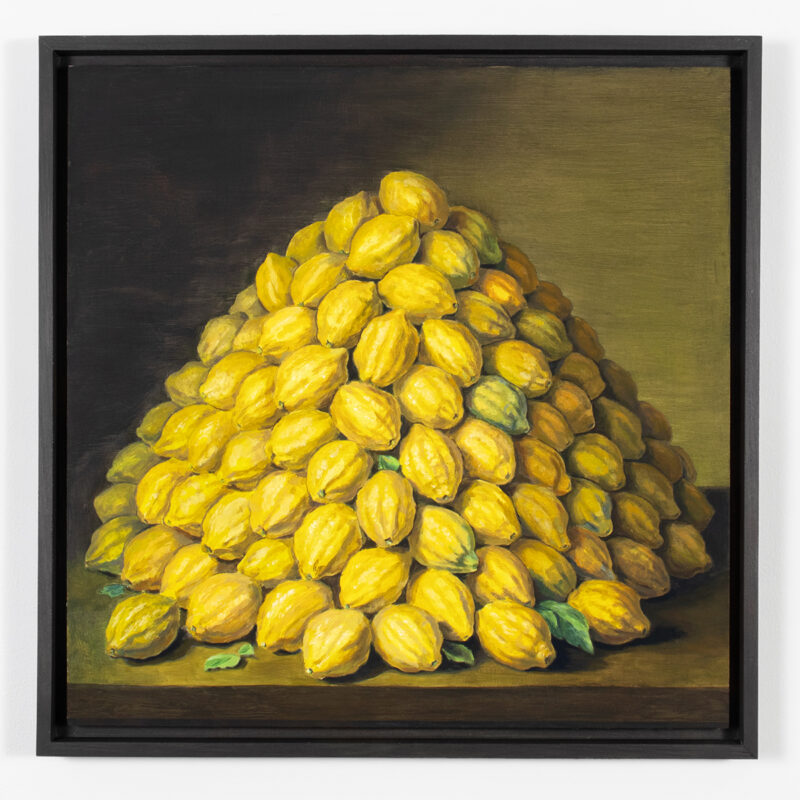
The ten small oil paintings in "The Infinite Known," all by an anonymous artist who uses the emphatically capitalized pseudonym ALBER STEIN, largely share an interest in surreal juxtapositions and hybrid content.
A Tidy Survey Show Highlights Excerpts from The Walters Collection of Medieval Books of Hours—One of the World's Largest
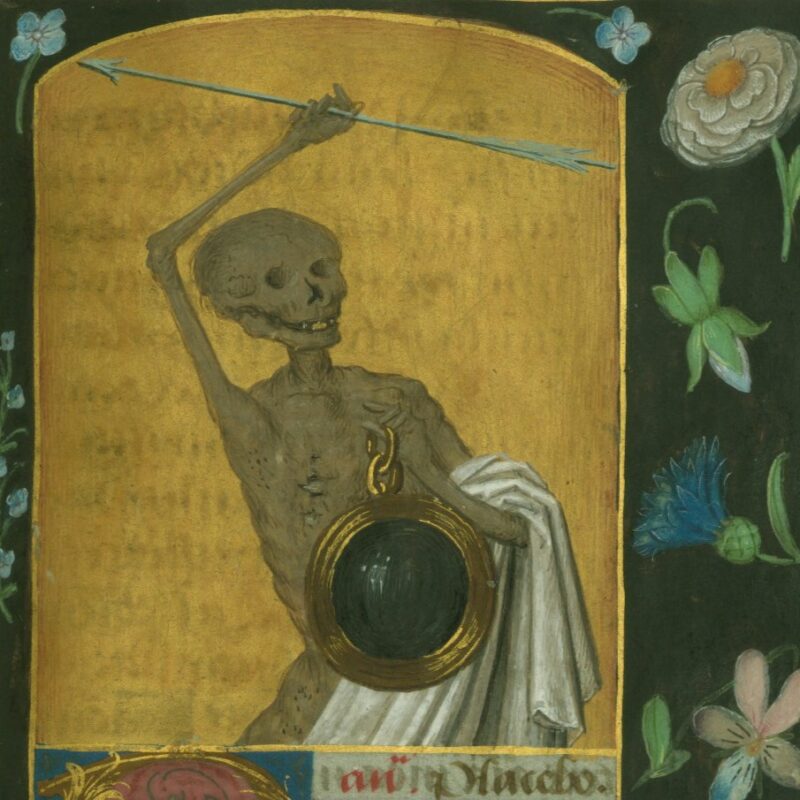
You can almost sense the pleasure that the curator, Lauren Maceross, took in choosing her examples. Juxtaposed with tidy bands of text, the images on display range from playful to grisly and from conventional to conceptually complex. Cumulatively, though, they offer considerable rewards.
From "Mining the Museum" to Making it More Accessible, Few Art Workers Have Left as Indelible a Mark on Institutional Practice
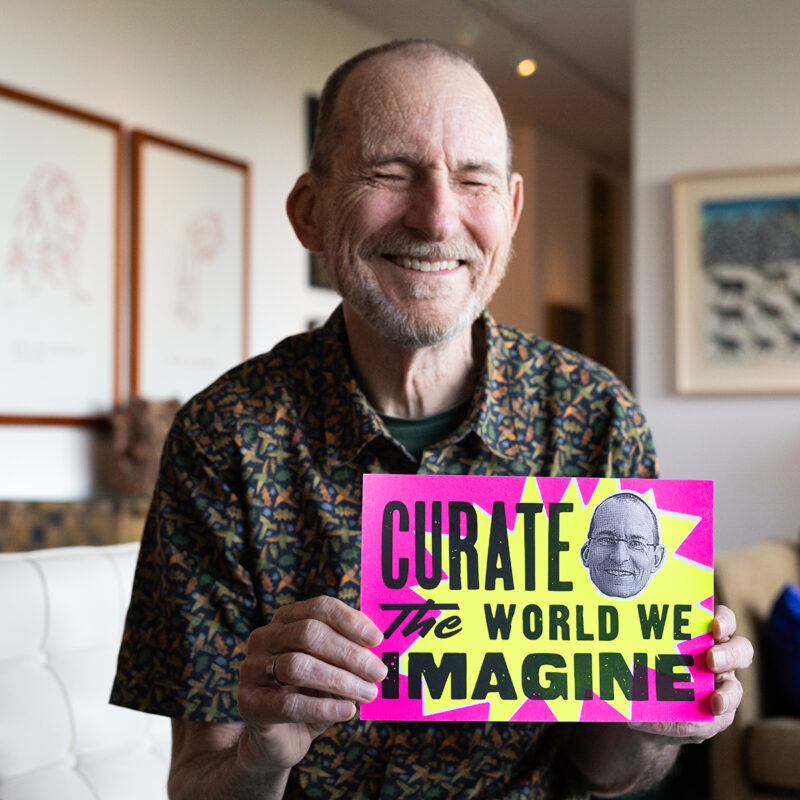
“I didn’t want to be the center of things... I wanted to see what would happen creatively from this group of people that were not me. I wanted to be the facilitator.”
Rediscovered Modernist Amalie Rothschild at Goya Contemporary
Baltimore Modernist Amalie Rothschild had a solo exhibit at the BMA in the 1970s, but had to leave in order to build a career.
Discovery of More Than 60,000 Negatives Brings Extraordinary Exhibit to MICA
A lively exercise in street photography and a tentative love letter to the neighborhood at the center of New York’s Black Arts and Civil Rights Movements, Cole’s works grant us a look, through the lens of an observant foreigner, at Black American expressiveness in the late 1960s and early 70s.
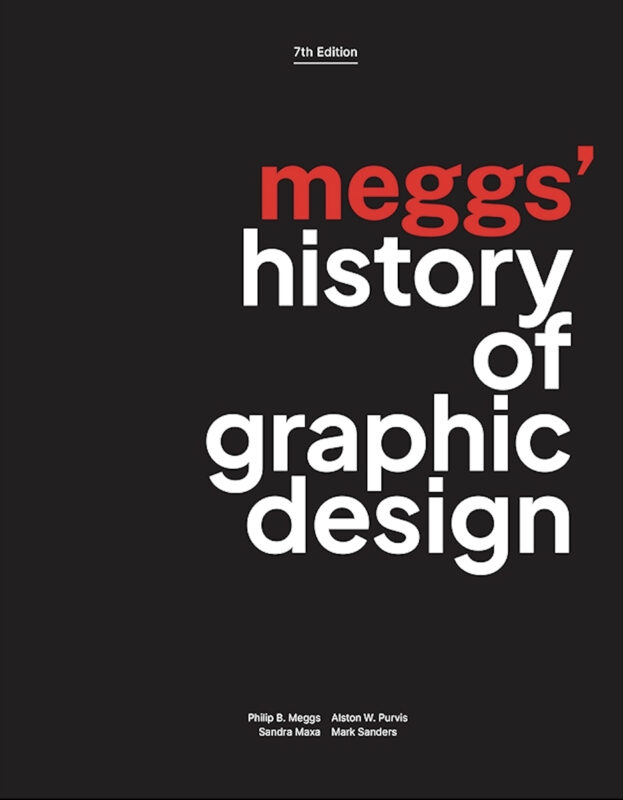
The Definitive Design Textbook's Seventh Edition Diversifies the Canon
The idea of a master narrative and the Eurocentric bias of earlier editions of this text have been pressured, and forced to make room for multiplicity and inclusivity. The history of graphic design appears here fresher, livelier, and more relevant.
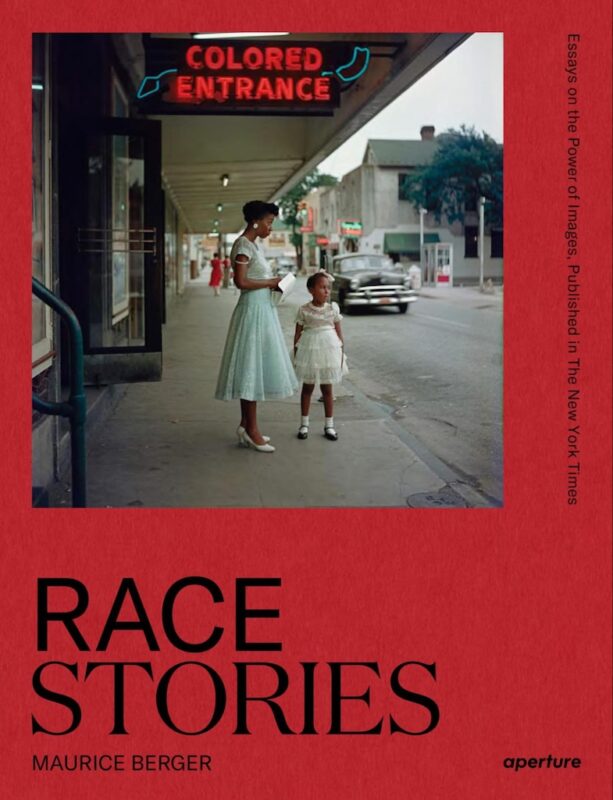
UMBC’s newly launched Maurice Berger CADVC Program Fund pledges to support work on the histories of race, representation and justice in visual culture
Berger’s notion of us was always an expansive one, so it’s fitting that his legacy continues to grow, even after his death.
A Small Exhibition takes on Big Ideas, with Six-Continents-Worth of Objects from the Collection
For a small show, then, it doesn’t think small. And does it work? Certainly, the works of art are generally compelling, and offer a collective testimony to the vast range and potency of materials used by artists across the centuries.
Three Satisfying Exhibits at the Baltimore Clayworks
Celebrating the Clayworks 45th Anniversary with Committed, Experimental, and Sometimes Even Dazzling Ceramics Exhibitions
A Survey of Candor and Commitment to Realistic Depiction
Pollution can be dismayingly ubiquitous, but it can also be catalyzing, and full of expressive potential.
"Trying to avoid politics in art is like trying to dodge raindrops on a rainy day."
In 2020 alone, 133 artists around the world were detained, 82 were jailed—and 17 were killed. And yet, artists have repeatedly ignored the possibility of reprisal and made work envisioning change in trying circumstances.
The History of Communication Has Always Been a History of Calculated Risk
The cheekily titled If Books Could Kill (on view through August 5, 2025) focuses on toxic materials—mercury, arsenic, and lead—that were used by scribes, illustrators, and printers in a variety of historical contexts.